4 Takeaways from a Nutrition Coach on USDA's Updates to Dietary Guidelines
Recent updates to the Dietary Guidelines for Americans from the U.S. Department of Agriculture and U.S. Department of Health and Human Services, along with related food labeling changes from the Food and Drug Administration, are sparking fresh conversations across the fitness and nutrition world.
For coaches working on the ground, the big question is simple: What actually changes for my clients tomorrow morning?
We spoke with Jenna Andreatta, Master Trainer and Certified Nutrition Coach at Asphalt Green to unpack what matters most and how to translate the guidance into everyday action.

1. more protein
One of the most discussed shifts is the greater emphasis on protein intake. Daily protein recommendations have increased significantly. Instead of the longstanding 0.8 grams per kilogram of body weight, the new guidelines recommend about 1.2–1.6 g/kg per day, with high-quality protein foods encouraged at every meal.
Regarding this major shift, Andreatta believes the increase in protein intake is necessary, as the more protein we consume, the more likely we are to slow down the progression of sarcopenia, an age-related syndrome that causes loss of skeletal muscle mass, strength, and function.
“The prior recommendation was a little on the low side, even for people who aren’t particularly active,” she says. “Studies have shown us that that level of protein (0.8 g/kg of body weight) is the minimum you should take in to prevent muscle loss, so the fact that we raised those base levels, I think is actually a good thing.”
Still, jumping into a higher protein focused diet can feel intimidating. Instead of aiming for perfection, Andreatta recommends a practical starting point:
“Most people, regardless of what they weigh, should strive for a minimum of 90 to 100 grams of protein per day,” she says. “I think that’s a great guideline, and it’s also a good place for people to start because if someone is going from eating 50 to 60 grams per day and then you’re telling them, ‘oh no, you need to eat 130 grams per day,’ that can be really overwhelming. They’re like, ‘how do I even begin to add that much protein?’ But if you tell them, ‘let’s aim for 90 to 100 grams,’ it ends up being a little bit more manageable. That’s just an extra serving of chicken, or a little bit more of my protein shake.”
2. whole foods over processed foods
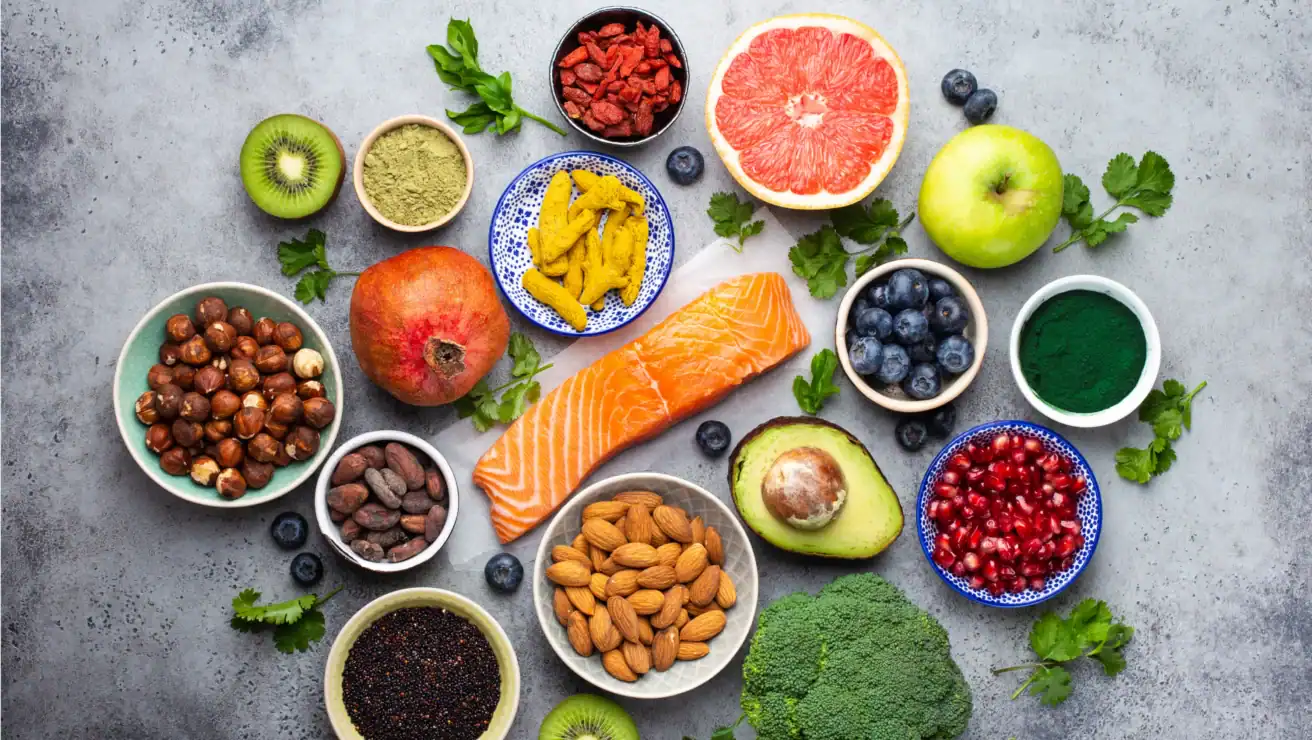
Another headline priority is limiting added sugars and ultra-processed items. The new guidelines recommend that no meal contain more than 10 grams of added sugar. To help follow this recommendation, the updated guidelines strongly promote eating whole, nutrient-dense foods. Think of a plate comprised of protein, whole food carbohydrates, healthy fats, vegetables, and fruits.
Andreatta points out that while, “it’s not reasonable to completely eliminate” added sugars and processed items from our diet, making people aware of the dangers of overconsuming them is important, “and minimizing them is a good idea.”
3. healthy fats: Not so simple
The updated guidance encourages incorporating healthy fats from whole foods like nuts, seeds, and avocados, and includes full-fat dairy (without added sugars) as part of a healthy diet. At the same time, it maintains the long-standing recommendation that saturated fats — the dietary fats that can raise LDL (“bad”) cholesterol and increase heart disease risk if overconsumed — should not exceed more than 10% of total daily calories.
In Andreatta’s words, this recommendation is “nuanced,” as the emphasis on certain higher-fat foods and minimally processed foods can lead people to overconsuming saturated fats.
Rather than obsessing over the fat number alone, she encourages people to consider how food choices affect appetite and satiety.
“While we may look at an avocado and say ‘oh, that’s really calorie dense. I shouldn’t have all of that.’ It’s actually better to eat that healthy source of fat than to eat something lower in fat and then be looking for something high in sugar just an hour or two later,” Andreatta says.
4. what should people focus on first?
While the new guidelines could be overwhelming for some people, Andreatta’s advice is refreshingly simple: raise protein gradually, eat more foods that look like they came from the ground or an animal, and aim for meals that keep you full for hours.
“Don’t feel like you need to eliminate anything from your diet based on the new recommendations because anytime we eliminate something that we enjoy eating, we tend to overeat it later because it feels like it’s sort of forbidden fruit,” Andreatta says.
The guidelines may evolve, but smart coaching still comes back to sustainable habits. If you’re looking for personalized advice on nutrition or building a fitness routine tailored to your goals, visit Asphalt Green’s personal training page below!