Beginner's Guide to Workout Recovery: 4 Moves to Sustain Your Fitness Journey
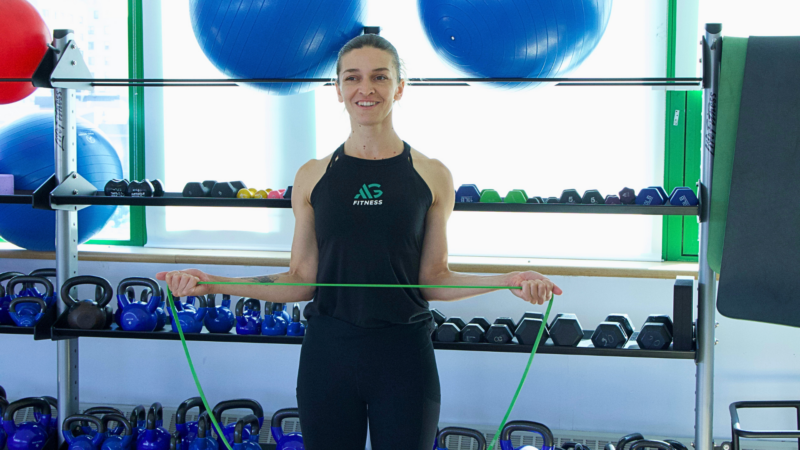
A hard workout is only half the equation. What you do afterward, how you move, stretch, and reset, plays just as big a role in how you feel, perform, and stay injury-free over time. At Asphalt Green, we believe recovery isn’t a reward for training hard; it’s part of the training itself.
Whether you’re new to fitness or looking to round out your routine, these four beginner-friendly moves target the areas that need the most support after exercise: your lower back, hips, core, and shoulders.
What Is Workout Recovery, and Why Does It Matter?
Workout recovery refers to the exercises, movements, and habits that help your body repair and reset after physical activity. Rather than only resting, active recovery moves like the ones below keep blood flowing to your muscles and joints, improve mobility, and build the stability needed to prevent common injuries.
Recovery matters because it helps your body absorb the benefits of training. Skipping it can leave you tight, sore, or more prone to strain, while a consistent recovery routine builds a stronger foundation for every workout that follows.
1. Glute Bridge (For Lower Back Health)
What is a glute bridge?
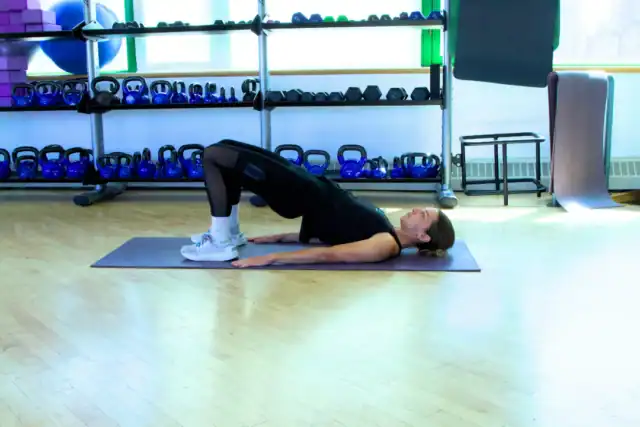
The glute bridge is a floor exercise that strengthens the glutes and lower back while relieving tension built up from sitting or training. It’s one of the simplest ways to support a healthy lower back at any fitness level.
How do you perform a glute bridge?
- Lie on your back with your knees bent and feet flat on the floor, hip-width apart
- Keep your arms at your sides, palms facing down
- Press through your heels and lift your hips toward the ceiling
- Squeeze your glutes at the top, forming a straight line from your shoulders to your knees
- Lower back down with control and repeat
What muscles does the glute bridge work?
- Glutes
- Lower back (erector spinae)
- Hamstrings
- Core
Why is the glute bridge effective?
The glute bridge strengthens the muscles that support your spine, which helps take pressure off your lower back during everyday movement and exercise. It’s an easy, low-impact way to build strength exactly where many beginners need it most.
2. Hip CARs (For Hip Health)
What are hip CARs?
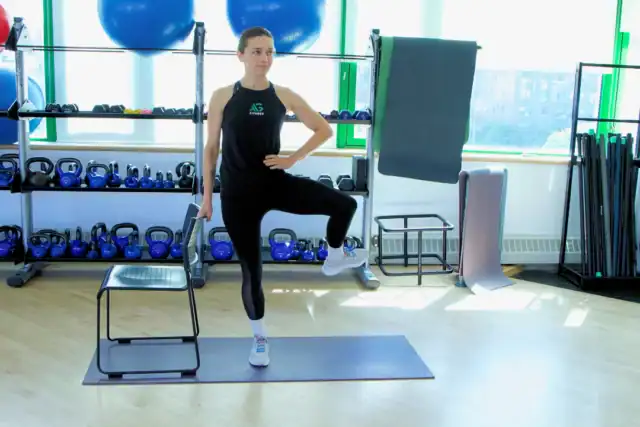
Hip CARS, short for Controlled Articular Rotations, are slow, deliberate circles performed at the hip joint. This exercise takes the hip through its full range of motion, helping to improve mobility and joint health over time.
How do you perform hip CARS?
- Stand tall, holding onto something sturdy for balance if needed
- Lift one knee toward your chest
- Keeping your knee at a 90 degree angle, slowly rotate your knee outward, then open your hip to the side
- Continue the circle by drawing your leg behind you, then back to the starting position
- Move slowly and with control throughout the entire circle, then repeat on the other side
- Perform 5-10 passes per leg, and remember that slower is better with CARS
What muscles and joints does this exercise target?
- Hip flexors
- Glutes
- The hip joint itself, supporting overall joint mobility
Why are hip CARs effective?
Because hip CARs move the joint through its complete range of motion, they help maintain hip mobility and reduce stiffness, both of which are especially important after activities like running, cycling, or strength training that keep the hips in a more limited range.
3. Dead Bug and Bird Dog (For Core Strength and Stability)
What are the dead bug and bird dog exercises?
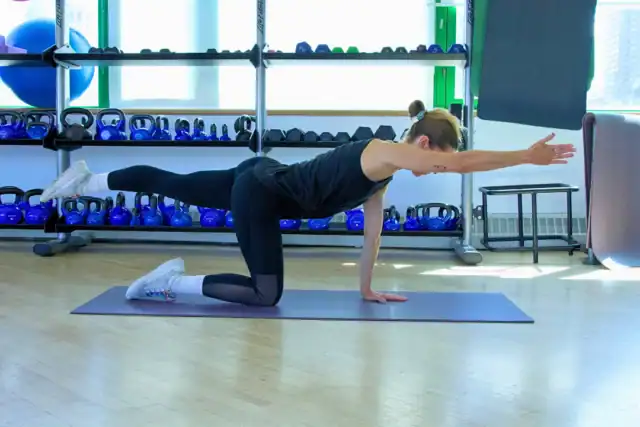
The dead bug and bird dog are two core exercises that build stability by challenging your body to stay steady while your arms and legs move independently. Together, they train the deep core muscles that protect your spine during everyday movement.
How do you perform the dead bug?
- Lie on your back with your arms extended toward the ceiling and knees bent at 90 degrees, keeping your toes pointed toward the sky.
- Press your belly button toward the ground so your lower back stays flat against the floor
- Slowly extend one arm overhead while straightening the opposite leg.
PRO TIP: The game is to not lose the lower belly pressing against the ground while challenging the arms and legs.
- Return to the starting position and switch sides
How do you perform the bird dog?
- Start in a table top on your hands and knees, wrists under shoulders and knees under hips
- Engage your core to maintain a neutral spine. Be careful to not anterior rotate the hip
- Extend one arm forward and the opposite leg back, keeping your hips level
- Hold briefly, then return to start and switch sides.
What muscles do these exercises work?
- Deep core (transverse abdominis)
- Obliques
- Lats
- Glutes
- Shoulders, as stabilizers
Why are the dead bug and bird dog effective?
Both moves teach your core to stabilize your spine while your limbs are in motion, which mirrors how your body actually works during sports, fitness classes, and daily life. Building this kind of stability helps protect your lower back and improves control in nearly every other exercise you do. Remember that slow movements win the race for both movements.
4. Band Pull-Aparts and Banded External Rotations (For Shoulder Health)
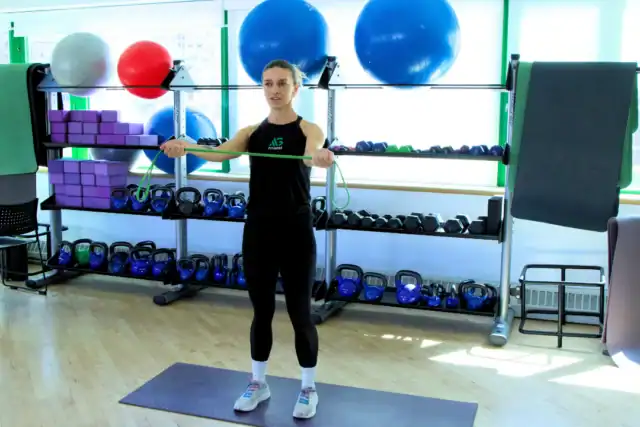
What are band pull-aparts and banded external rotations?
These two resistance-band exercises target the muscles around the shoulder blades and rotator cuff, areas that are easy to neglect but essential for healthy, pain-free shoulders.
How do you perform band pull-aparts?
- Hold a resistance band with both hands, arms extended in front of you at shoulder height
- Keeping your elbows straight, pull the band apart by squeezing your shoulder blades together
- Slowly return to the starting position and repeat
How do you perform banded external rotations?
- Hold the band with both hands, elbows bent at 90 degrees and tucked close to your sides
- Keeping your elbows in place, rotate your forearms outward against the band’s resistance
- Slowly return to the starting position and repeat
What muscles do these exercises work?
- Rotator cuff muscles
- Rear deltoids
- Muscles between the shoulder blades (rhomboids and mid-trapezius)
Why are these exercises effective?
Many everyday movements, and even other exercises, favor the front of the shoulder. Band pull-aparts and external rotations strengthen the often-overlooked muscles behind and around the joint, helping to balance shoulder strength and support healthy movement over time.
Building Recovery Into Your Routine
You don’t need a lot of time or equipment to start recovering better. Working through these four moves a few times a week can help support a healthier lower back, hips, core, and shoulders, no matter where you are in your fitness journey.
Want a recovery plan built around your specific goals? Asphalt Green’s Personal Training program pairs you with an expert trainer who can help you move, recover, and train smarter. Get started today.