How to Make the Most of Your Offseason: Training for Elite Athletes
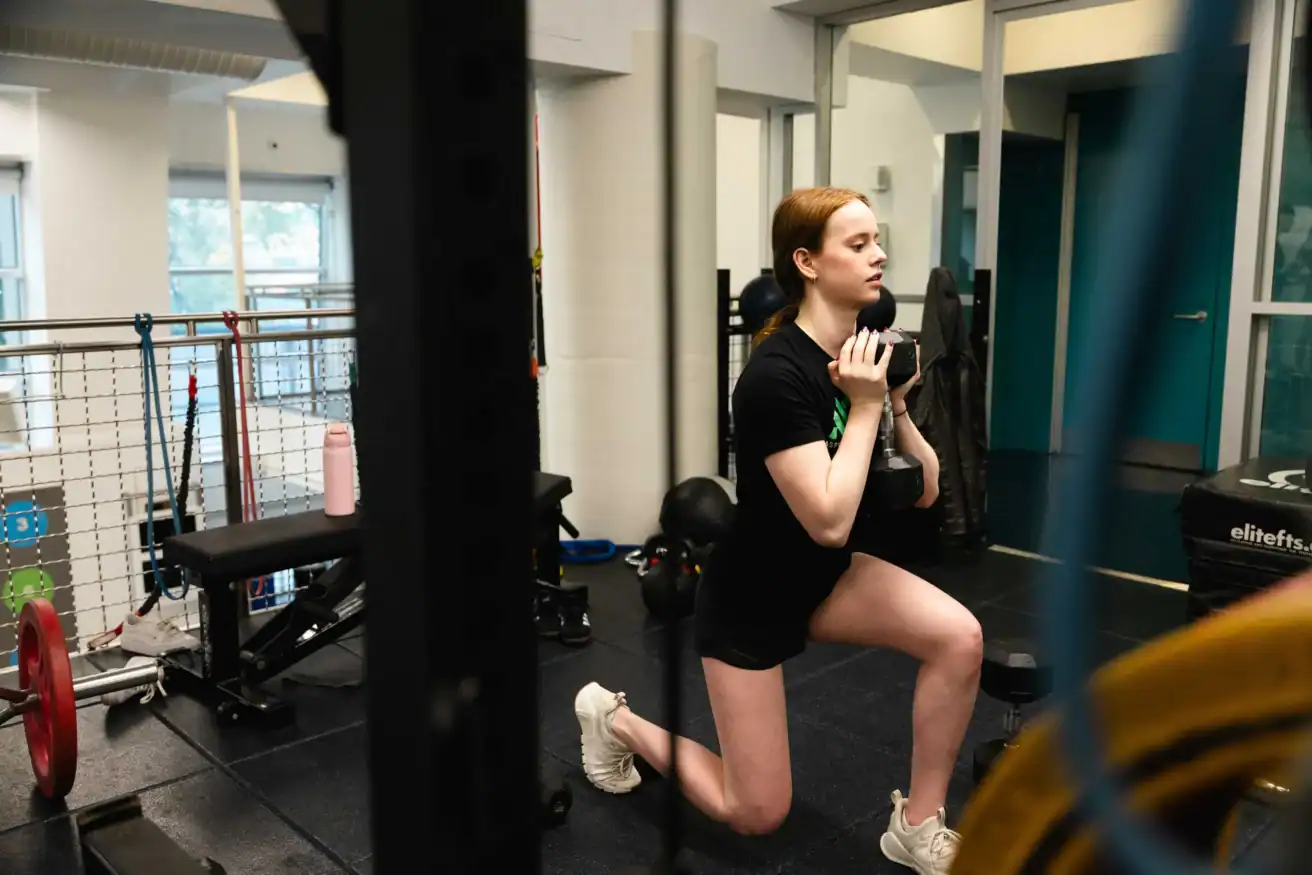
For competitive athletes, the offseason isn’t a break from training. It’s an opportunity. Once the pressure of in-season competition eases, the window between seasons becomes one of the best chances to build real, lasting gains in strength and cardiovascular endurance to improve long-term performance. At Asphalt Green, our personal trainers are passionate about helping ahletes make the most of their offseason with a focus on three pillars: injury prevention, endurance, and strength training.
Here’s how elite athletes can approach conditioning training during the offseason, plus a few exercises to help you get started.
Why Offseason Training Matters
The demands of a competitive season take a real toll on the body over time: repeated high-intensity movement, tight recovery windows, travel, and game-day pressure all add up. The offseason gives athletes the chance to address the small aches, muscle imbalances, and mobility restrictions that tend to get overlooked when competition is the priority. It’s also a great time to build a stronger aerobic and strength base, without the risk of overloading a body that’s mid-competition.
Done right, offseason conditioning doesn’t just maintain fitness. It builds the foundation for a stronger, healthier season ahead.
Injury Prevention: Training Smarter, Not Just Harder
Most sports-related injuries don’t happen out of nowhere. They build up over time from repetitive stress, muscular imbalances, or insufficient recovery. Offseason training gives athletes the chance to correct those patterns before they become a problem in-season.
This can look like:
- Strengthening the stabilizer muscles that support major joints (hips, knees, shoulders, ankles)
- Correcting side-to-side imbalances that develop from sport-specific, repetitive movement
- Building a stronger foundation of core and posterior-chain strength
- Prioritizing mobility work so joints can move through their full, healthy range
Endurance: Building a Deeper Aerobic Base
Whether an athlete’s sport demands short bursts of power or 90 minutes of sustained effort, aerobic conditioning is what helps the body recover faster between efforts and maintain intensity late in a game or match. The offseason is the ideal time to build that base gradually, without the fatigue of weekly competition layered on top.
Strength Training: Building a Resilient Foundation
The offseason is the best time to build real strength, without the fatigue of weekly competition getting in the way. A well-rounded strength program supports every other part of an athlete’s game, from generating power to protecting joints under load. Progressive strength training also reinforces the injury prevention work above, since stronger muscles and connective tissue are simply more resilient under the stress of competition.
This is also a great window to address any imbalances or weaknesses that got exposed during the season, so athletes come back not just fitter, but genuinely stronger.
4 Sample Conditioning Exercises for the Offseason

1. Single-Leg Romanian Deadlift
Builds posterior-chain strength while improving balance and correcting left-right imbalances, an easy win for injury prevention in nearly every sport.
3 sets of 8–10 reps per leg
2. Lateral Band Walks
Targets the hip external rotators that help take some of the stress off the knees and ankles during cutting, jumping, and change-of-direction movements.
3 sets of 15–20 steps per direction
3. Tempo Interval Runs
Alternates moderate and controlled-hard efforts to build aerobic endurance without the strain of full-speed sprint work, making it a great option for early offseason conditioning.
6–8 rounds of 2 minutes moderate pace, 1 minute controlled-hard pace
4. Pallof Press
An anti-rotation core exercise that builds the trunk stability athletes rely on to protect the spine and transfer force efficiently between the lower and upper body.
3 sets of 10–12 reps per side
5. Trap Bar Deadlift
A foundational strength move that builds full-body power through the legs, hips, and back, with a more joint-friendly position than a traditional barbell deadlift. A great way to build the raw strength that supports every other pillar of offseason training.
4 sets of 5–6 reps
Cool down with mobility: Finish each session with a few minutes of dynamic stretching. A move like the World’s Greatest Stretch is a great way to open up the hips, hamstrings, and thoracic spine before or after training.
1–2 sets of 5–6 slow reps per side
Putting in the work during the offseason without the rigors of competitive games helps continue to create a better base for improved performance. Its also a great time to build for next season by addressing and training for specific weaknesses, before those weaknesses can potentially become injuries.
– Nicole Lee, Upper East Side Director of Fitness

Setting Up for a Strong Season Ahead
Offseason conditioning isn’t about doing more. It’s about doing the right things at the right time. With focused attention on injury prevention, endurance, and flexibility, athletes can head into next season feeling stronger, more resilient, and ready to perform at their best.
Ready to build a personalized offseason plan? Asphalt Green’s Personal Training team is here to help you target the areas that matter most for your sport. Get started today.