The Benefits of a Sauna: How Heat Helps You Recover, Move, and Reset
You finished the last set. Your legs are heavy, your shoulders are tight, and your mind is still racing through the rest of the day. The workout is over, but the work your body does to get stronger is just getting started.
Recovery is where progress happens. And for centuries, athletes and everyday movers around the world have turned to one simple tool to help that process along: the sauna.
Today, saunas are a staple of modern fitness culture, and for good reason. A few minutes in the heat can ease sore muscles, prepare your body for stretching, support healthy blood flow, and give you something that is surprisingly hard to find in a busy week: quiet.
Here is what you need to know about the benefits of a sauna and how to make it part of your recovery routine.
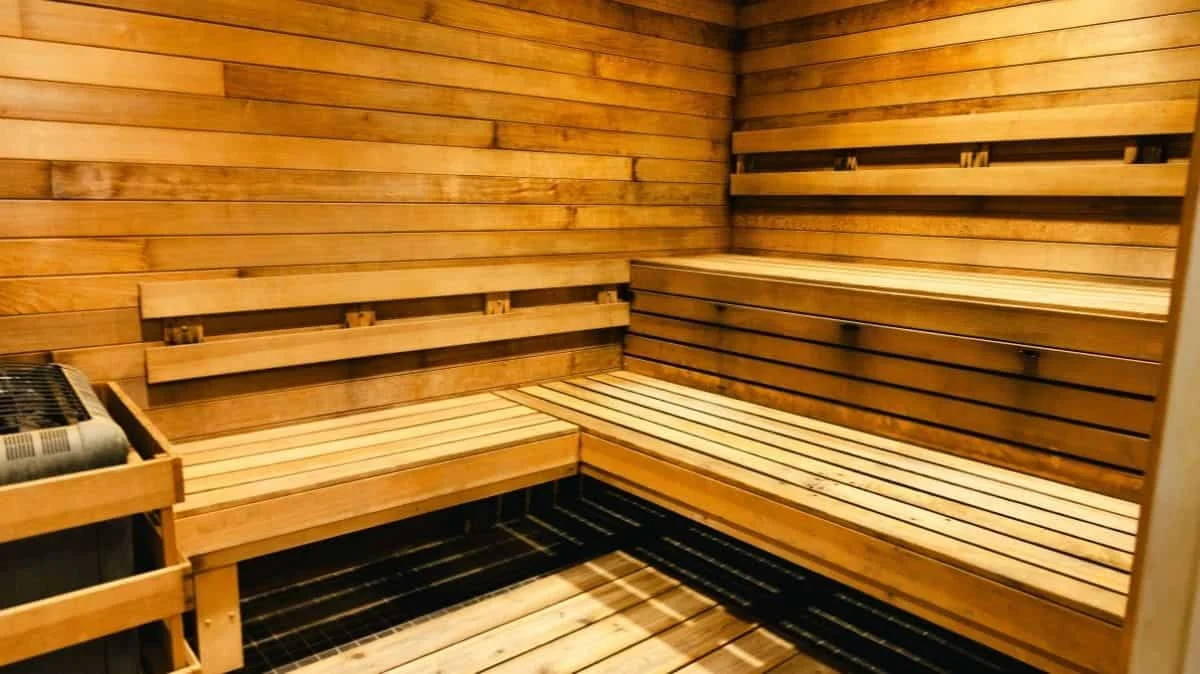
What Is a Sauna?
A sauna is a small, heated room designed to raise your body temperature through dry or humid heat, typically between 150°F and 195°F. Traditional saunas use a heater, often with stones, to warm the air, while infrared saunas use light to warm the body directly.
As your body heats up, your heart rate rises, your blood vessels widen, and you begin to sweat. These natural responses are the foundation of many of the sauna’s recovery benefits.
What Are the Benefits of a Sauna for Fitness?
The main benefits of a sauna for active people are:
- Post-workout recovery: Eases muscle tension so you bounce back sooner after tough training sessions.
- Mobility support: Loosens muscles before post-workout stretching.
- Greater circulation: Supports healthy blood flow and cardiovascular health.
- Mindfulness: Creates a dedicated space to unwind and re-center.
1. Post-Workout Recovery: How Does a Sauna Help Sore Muscles?
A sauna helps sore muscles by using heat to relax tight muscle fibers and ease the tension that builds up during challenging workouts. Many people find that a short session after training helps them feel less stiff and more ready for their next workout.
Intense exercise creates small amounts of stress in your muscles. That stress is what signals your body to rebuild stronger, but it can also leave you feeling tight and sore for a day or two. Heat encourages your muscles to release that tension, and warmer tissue tends to feel more comfortable and less rigid.
Why it matters: When you recover well, you can train consistently. Feeling less sore means you are more likely to show up for your next run, class, or lifting session instead of taking extra days off.
Best for: Strength training, high-intensity interval training, long runs, swim practice, and any workout that leaves you feeling tight.
2. Mobility Support: Should You Stretch After a Sauna?
Yes. Stretching after a sauna session can be especially effective because warm muscles are more pliable and move more freely through their full range of motion. Pairing heat with gentle stretching can help you leave your workout feeling lighter and more mobile.
Think of a cold rubber band compared to a warm one. Warm muscles and connective tissue tend to stretch more comfortably, which makes the sauna a natural lead-in to your cooldown routine.
Try these stretches after your sauna session:
- Hamstring stretch: Sit with one leg extended and reach gently toward your toes for 30 seconds per side.
- Hip flexor stretch: Step into a low lunge and press your hips forward for 30 seconds per side.
- Chest opener: Clasp your hands behind your back and lift gently to open your shoulders for 30 seconds.
- Child’s pose: Sit back on your heels with arms extended forward and breathe deeply for 60 seconds.
Why it matters: Better mobility supports better movement. When your muscles move freely through a full range of motion, you can train with better form, which may help reduce your risk of injury over time.
3. Greater Circulation: Is a Sauna Good for Your Heart?
Regular sauna use can support cardiovascular health by increasing blood flow throughout the body. As your body warms, your blood vessels widen and your heart rate rises, a response that some researchers compare to light-to-moderate exercise.
Improved circulation helps deliver oxygen and nutrients to working muscles, which supports the recovery process after training. Long-term research, including well-known studies from Finland where sauna bathing is a cultural tradition, has linked regular sauna use with positive cardiovascular health outcomes.
Why it matters: Healthy circulation supports your whole body, not just your workout. A sauna is not a replacement for exercise, but it can be a valuable complement to an active lifestyle.
Good to know: If you have a heart, blood pressure, or circulatory condition, check with your physician before using a sauna.
4. Mindfulness: How Does a Sauna Help You Relax?
A sauna helps you relax by giving you a quiet, phone-free space where the warmth naturally encourages slower breathing and a calmer mind. Many people use their sauna time to decompress, reflect, and mentally transition out of a busy day.
In a city that never slows down, protected time to rest is rare. The sauna offers built-in boundaries: no screens, no notifications, and no to-do list. Just heat, breath, and a few minutes to check in with yourself.
Try this in your next session:
- Close your eyes and take slow breaths, inhaling for four counts and exhaling for six.
- Notice where you are holding tension and let it go one body part at a time.
- Reflect on one thing your body accomplished in today’s workout.
Why it matters: Fitness is a long game. Mental recovery helps prevent burnout and keeps movement feeling enjoyable, which is what helps you stay active for years to come.
“Recovery isn’t time off from training. It’s part of training. The athletes I see make the most progress are the ones who treat rest with the same intention as their workouts, and the sauna is one of the simplest ways to build that habit.”
How to Use a Sauna Safely After a Workout
Using a sauna safely comes down to timing, hydration, and listening to your body. Follow these steps for a safe and effective session:
- Cool down first. Give your heart rate a few minutes to settle after your workout before entering the sauna.
- Hydrate before and after. You will lose fluid through sweat, so drink water before your session and refill afterward.
- Start short. Begin with 5 to 10 minutes and build up gradually. Most people benefit from sessions of 10 to 20 minutes, and sessions should not exceed 30 minutes.
- Sit on a clean towel. It keeps the space comfortable and hygienic for everyone.
- Exit if you feel unwell. Leave right away if you feel dizzy, faint, or nauseated.
- Stretch and rehydrate. Use your warm muscles to your advantage with gentle stretching, then drink more water.
Sauna FAQ
How long should you stay in a sauna after a workout?
Most people benefit from 10 to 20 minutes in a sauna after a workout. Beginners should start with 5 to 10 minutes, and sessions should not exceed 30 minutes.
Is it better to use a sauna before or after a workout?
For recovery, using a sauna after a workout is generally best. Heat relaxes muscles and supports stretching, while using it beforehand can leave you feeling fatigued or dehydrated before you train.
How often should you use a sauna?
Many people use a sauna two to four times per week as part of their recovery routine. Start with fewer sessions and adjust based on how your body feels.
What is the difference between a sauna and a steam room?
A sauna uses dry heat at higher temperatures, while a steam room uses moist heat at lower temperatures with near 100% humidity. Both promote relaxation, but saunas are often preferred for post-workout muscle recovery.
Does a sauna help you lose weight?
A sauna can cause temporary water weight loss through sweat, but that weight returns once you rehydrate. Saunas are best used to support recovery, not as a weight-loss tool.
Learn More About Saunas at Asphalt Green
At Asphalt Green, we believe recovery is for everyone. Our saunas offer a warm, welcoming space for lap swimmers, lifters, group fitness regulars, and anyone who needs a few quiet minutes to recharge. Explore our sauna and review our sauna rules before your first visit.
Make recovery part of your routine. An Asphalt Green Fitness membership gives you access to our saunas, fitness centers, group exercise classes, and a community that cheers on every step of your journey.