What Kids Lose When Recess Is Taken Away

Earlier this year, the American Academy of Pediatrics released an update to its 2013 policy guidelines for recess in schools to “reemphasize the crucial role of recess in child and adolescent development.”
Pointing to research in the neurophysiology of learning, adolescent health, social-emotional development, executive skills, and the role of peer engagement and play for well-being, the AAP sent a clear message:
Recess isn’t just necessary—It’s critical to the healthy development of every student.
This belief has fueled Asphalt Green’s Recess Enhancement Program (REP) for decades. Since the mid-2000s, while up to 40% of school districts nationally reduced or eliminated recess, REP brought subsidized, structured, and organized recess programing to school partners across New York City. Today, when only a quarter of children ages 6-17 are meeting exercise guidelines, REP is ensuring that more than 14,000 students get the exercise they need to learn and thrive every year.
When recess is taken away, kids miss out on greater health, socioemotional development, and brighter futures. Here’s why:
1.Organized, high-quality recess programs inspire healthy lifestyles
A previous study by Asphalt Green and Hunter College showed that students in schools with REP demonstrated better rates of physical activity, a critical part of maintaining good physical and mental health.
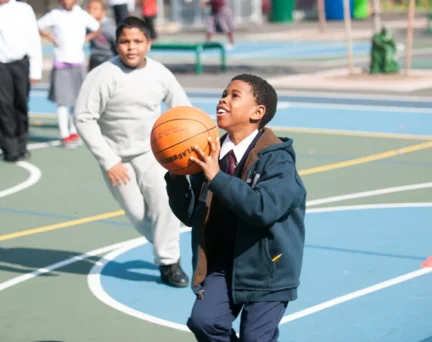
But recess is not just about getting kids moving. When recess is done correctly, with high-quality instruction and structured play based on a proven curriculum, children are more likely to have positive experiences with play and movement. In the long run, this can inspire our students to develop passions for living healthy, active lifestyles that yield countless health benefits.
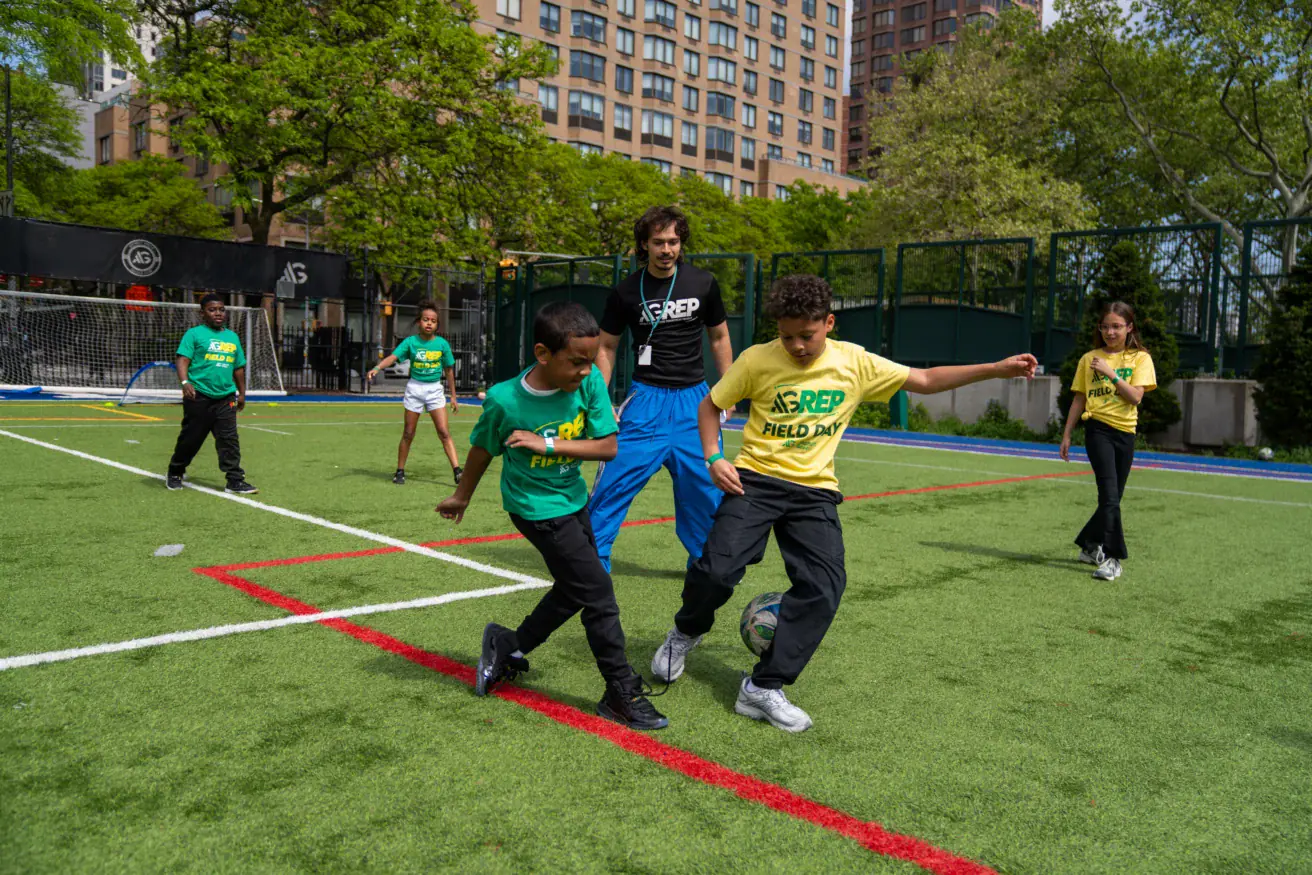
In REP, students enjoy the free play that fosters joy and excitement, with structured games designed to prioritize fitness, teamwork, and inclusion. The results are thousands of students who learn to stay active and connected through play.
2. Recess teaches critical skills
REP demonstrates that play is not just part of how kids stay healthy, but also how they learn. REP games are designed to facilitate collaboration, teamwork, conflict-resolution, and leadership, all social and emotional benefits affirmed by the AAP’s updated guidelines. Organized play is also proven to reduce stress that can inhibit a student’s ability to learn and succeed.
3. Recess sets students up for success
When recess programs began being cut across the country, it was seen as a potential distractor to academic growth and achievement. The evidence says the opposite.
The American Academy of Pediatrics’ updated guidelines show that recess plays an important role in how students process, retain, and recall new information. After learning something new, the brain needs time to consolidate that information into memory. Recess provides a critical break from the cognitive demands of the classroom, giving students an opportunity to absorb what they’ve learned before taking on new material.
Physical activity further enhances these benefits. Research shows that movement and exercise can improve memory retention, attention, and concentration, helping students return to the classroom better prepared to learn. Even a single period of moderate physical activity can support learning and long-term memory.
Rather than taking time away from education, recess can be an essential part of the learning process. By giving students opportunities to move, play, and recharge throughout the school day, programs like REP help create the conditions for children to succeed both inside and outside the classroom.
By the Numbers: REP In Fiscal Year 2026
14K+
Students served
40k+
Active recess periods
35+
REP schools
$1M+
Subsidized recess provided
Bring REP to Your School
Asphalt Green’s Recess Enhancement Program is working to give New York City students across our city the organized play they need to excel inside and out of the classroom.
If you’re an educational leader interested in bringing REP to your school district or learning more about how the REP curriculum supports the health and development of students, contact us below to learn more!