Sports for Everybody: What Inclusive Coaching Can Teach Us About Youth Athletics

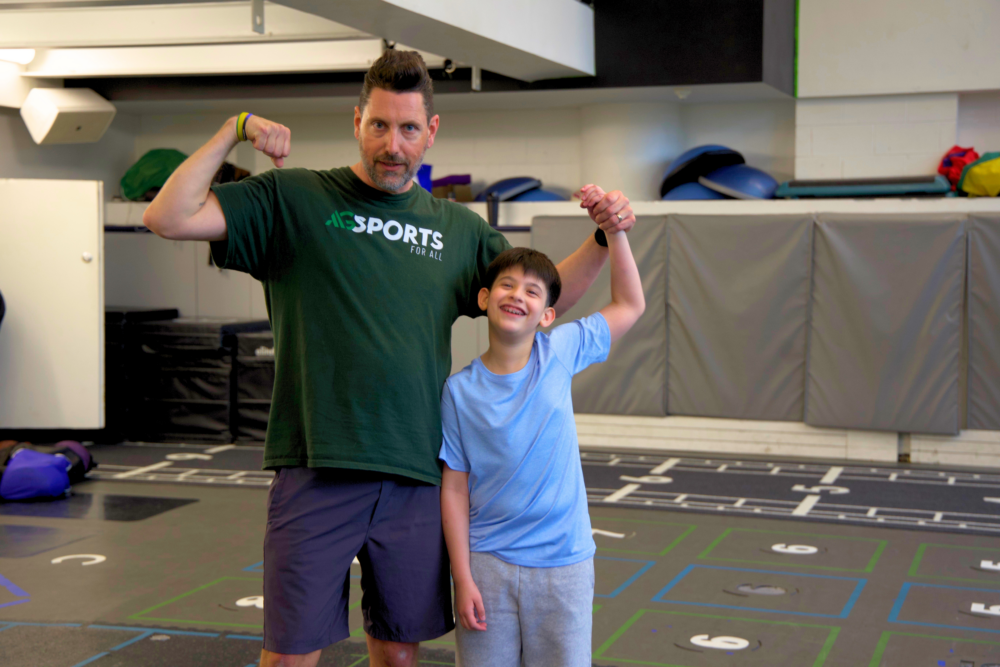
Every child deserves the opportunity to experience the benefits of sports, from developing new skills and building confidence to finding connection and a sense of belonging. Yet meaningful opportunities to participate in sports can remain limited for young people with disabilities, neurodivergent children, and others who may benefit from more individualized approaches to instruction and participation.
At Asphalt Green, expanding access to high-quality sports experiences is central to our mission. Through our inclusive programming, we work to create environments where young people with a wide range of abilities and support needs can participate, develop, and thrive. And while this work is important in its own right, it also offers valuable insights into how we approach coaching and athlete development more broadly.
These lessons extend well beyond any one program, encouraging us to think more intentionally about how we teach, how we define progress, and how we create environments that give every athlete the opportunity to reach their potential.
Recognizing That Development Is Individual
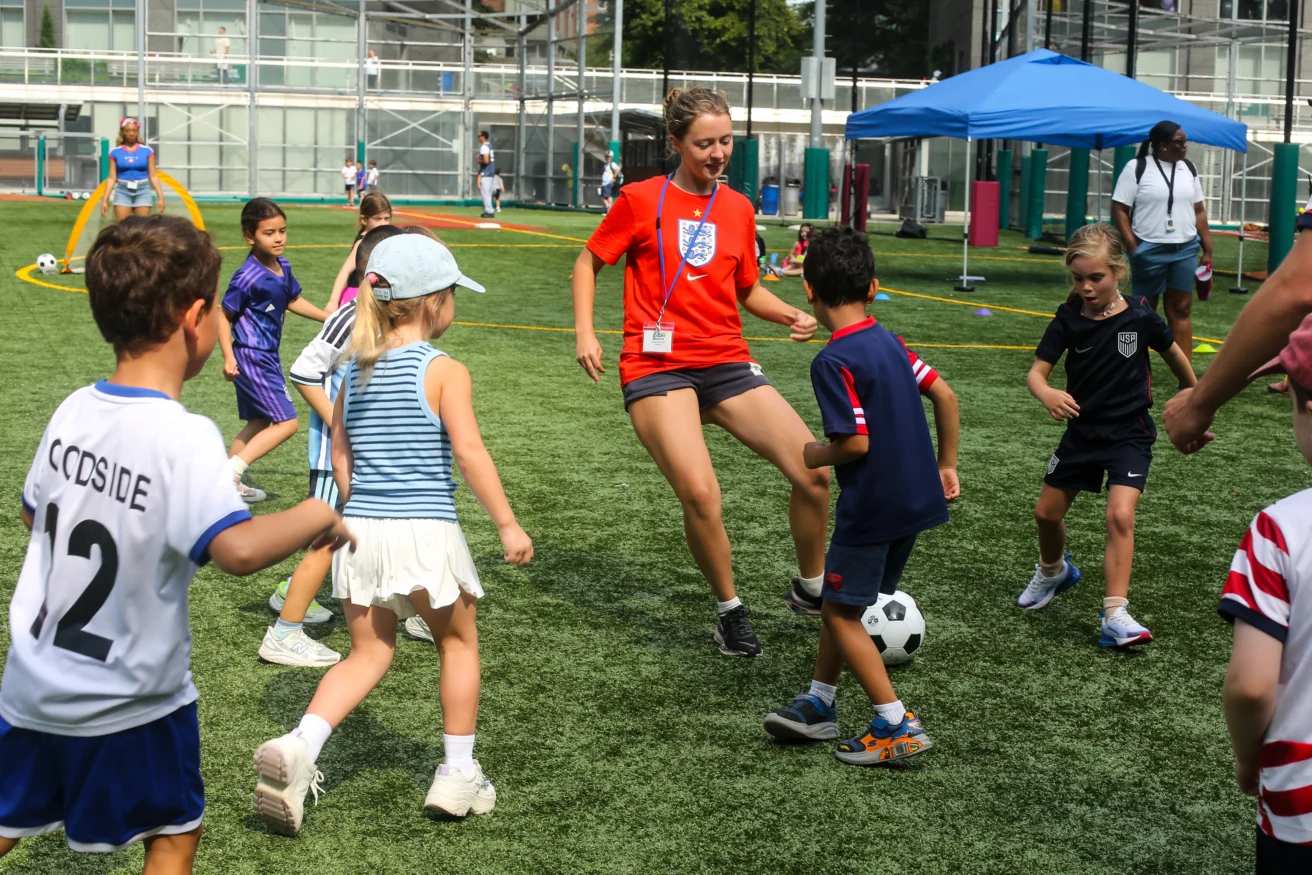
No two athletes develop at precisely the same pace or in exactly the same way. Inclusive sports programming places this understanding at the center of the coaching experience, recognizing that meaningful progress looks different for every participant.
The same principle holds true across youth athletics. Whether a child is learning to swim, developing fundamental basketball skills, or competing at an advanced level, effective coaching begins with understanding where that athlete is today and identifying an appropriate path forward.
This is particularly important in a youth sports landscape where early specialization, performance pressure, and burnout can undermine long-term participation. Creating space for individual development does not mean lowering expectations. It means establishing expectations that are meaningful, appropriately challenging, and responsive to each athlete’s growth.
Embracing Adaptability as a Coaching Strength
In inclusive sports programming, coaches routinely adjust their instruction, equipment, activities, and environments to support different abilities and learning styles. The ability to adapt is not simply a feature of inclusive coaching; it is a hallmark of effective coaching at every level.
A basketball coach might modify a drill to help an athlete develop footwork before introducing more complex movement patterns. A swim instructor might use different teaching cues to help a child master a particular skill. In both cases, the objective is the same: to meet athletes where they are while helping them move toward greater confidence and proficiency.
The most effective coaches recognize that no single approach works for every athlete. They are observant, responsive, and willing to adjust their methods without losing sight of the broader developmental goal.
Building Competence, Confidence, and Long-Term Engagement
Alongside athletic skill development, inclusive sports programming places particular emphasis on physical literacy, confidence, independence, and social connection. These outcomes are no less important in recreational or competitive sports.
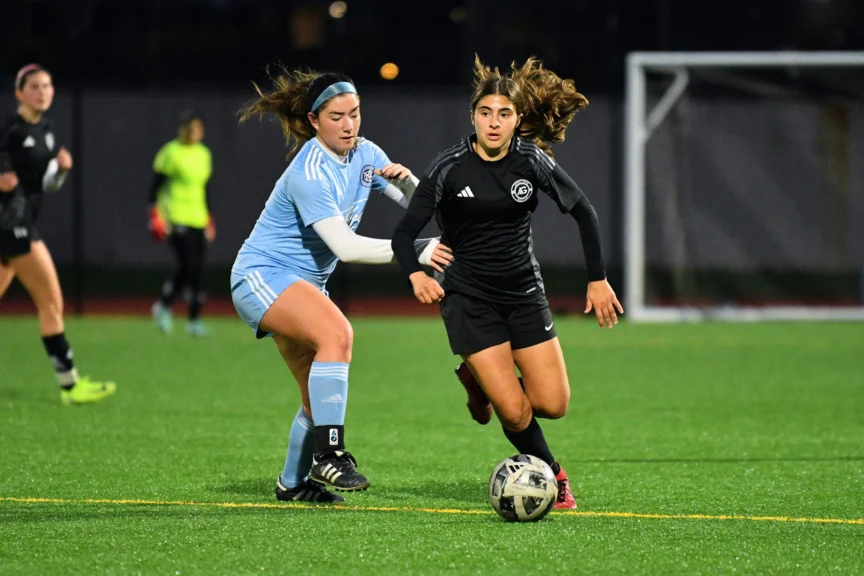
Developing technical proficiency matters, as does learning to compete, navigate challenges, and pursue ambitious goals. But sustained athletic achievement depends on more than technical proficiency alone. Confidence, motivation, and a sense of belonging all play important roles in keeping young people engaged over time.
Rather than viewing personal development and competitive success as competing priorities, we should recognize how closely they are connected. Athletes who build a strong foundation of skills, self-belief, and positive experiences are better positioned to pursue their potential over time, whatever form that potential may take.
Making Inclusion Part of a Broader Coaching Philosophy
Embedding inclusion into a broader coaching philosophy requires more than offering a diverse range of programs. It means carrying the same commitment to individualized development, thoughtful instruction, and meaningful participation across every athletic environment.
At Asphalt Green, our inclusive offerings span swimming, basketball, soccer, fitness, and more, creating opportunities for young people with a wide range of abilities and support needs. These programs are essential to our mission, both for the opportunities they provide and for the expertise and perspectives they bring to our broader coaching community.
As we continue to strengthen our approach to athlete development across programs, the lessons are clear: recognize individual differences, adapt instruction with purpose, and create environments where meaningful progress is possible for every participant.
Inclusion is not separate from excellence in youth sports. It is part of how we define it.
Find Your Place at Asphalt Green
At Asphalt Green, we strive to put these principles into practice across the full spectrum of youth athletics. Whether your child is discovering a new sport, building confidence in an existing one, or pursuing more advanced athletic goals, our recreational classes, leagues, lessons, and competitive programs offer opportunities to learn, grow, and connect through sports.
By balancing skill development, enjoyment, and personal growth, we aim to help young athletes build a lasting relationship with physical activity.
Explore our upcoming winter programs and discover the opportunities available for your family.